
What Happens If You Never Ceramic Coat Your Vehicle? Risks and Paint Damage Explained
Skipping ceramic coating might seem like no big deal, just a flashy extra. But leaving your paint unprotected quietly causes damage over time. From sun fading to fine scratches and stubborn stains, your car's finish takes a beating every day. Here is what really happens when you skip ceramic coating, and why that protective layer matters more than you might think.
If you never apply ceramic coating, your paint stays exposed to UV rays, dirt, water spots, oxidation, and fine scratches. Over time that means faster fading, more frequent upkeep like waxing and polishing, and a greater chance of swirl marks and chemical etching that wear down your vehicle's appearance.
Potential Damage Without Ceramic Coating
Without a ceramic coating, your paint faces constant wear from the elements. UV exposure speeds up oxidation, fading colors and dulling a once lively shine into a flat, tired finish. Everyday driving adds fine scratches as dust and grit pass across the surface, and those swirls multiply into visible dull patches. Water spots are another quiet threat, since mineral deposits dry onto the paint and etch into the clear coat, often needing intensive polishing to remove.
The bigger problem is that this damage is not only cosmetic. It wears down the protective clear coat itself, leaving the paint prone to deeper issues like acid rain and tree sap etching. A ceramic coating resists these contaminants and gives you a wider window to remove them before they cause harm. A professional coating adds a much harder surface layer than bare paint, though it still needs proper care to keep performing.
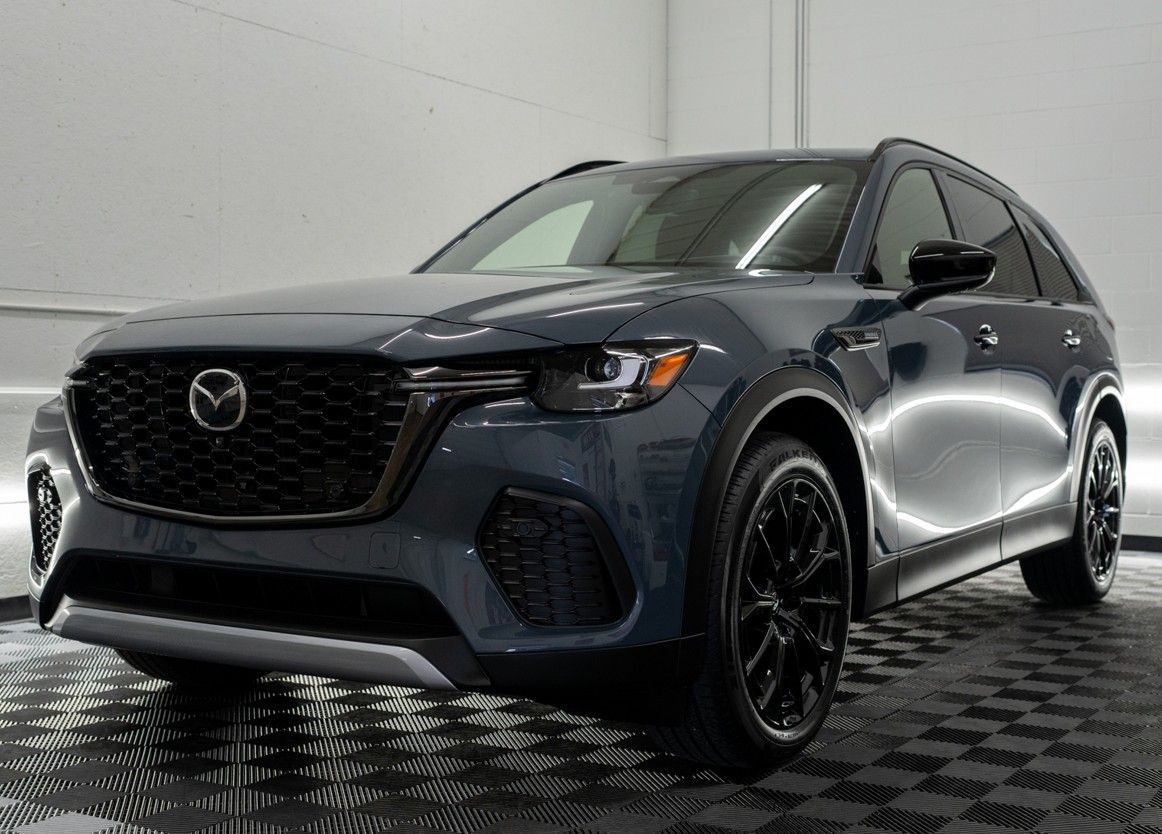
Exposure to Environmental Hazards
Your vehicle faces a steady stream of elements that wear at its finish. UV radiation is the chief culprit, reaching into the clear coat and triggering oxidation that dulls the paint's shine. But the sun does not act alone. Common threats include:
- Bird droppings, acidic enough to etch paint permanently if they are not removed quickly.
- Tree sap, whose organic acids and resins cling to the surface and cause staining when left too long.
- Road salt, common in Michigan winters, which accelerates corrosion and can promote rust beneath the paint.
- Acid rain and airborne pollutants, which eat into the finish and leave fine scratches over time.
Individually these seem minor, but together they strip away gloss and expose bare paint or even metal. Once damage sets in, reversing it usually takes professional paint correction or repainting. A ceramic coating acts as a sacrificial layer, chemically bonding to the paint and forming a hydrophobic shield that repels water and helps keep contaminants from bonding to the surface, all while preserving gloss under strong sun.
Paint Fading and Corrosion
The color on your car is more fragile than it looks. Over time, UV radiation breaks down the chemical bonds in paint, stealing depth and brilliance, and faded paint often signals that the clear coat and layers beneath are already vulnerable. Corrosion compounds the problem, as pollutants, winter road salt, and acid rain eat at the finish and eventually reach the metal, leading to stains, pitting, and rust that weakens body panels over time. Think of paint like skin without sunscreen. A ceramic coating works like a protective layer, absorbing much of that UV and environmental wear before it reaches the paint, and it makes cleaning easier by repelling the dirt and water spots that accelerate surface wear.
Susceptibility to Scratches
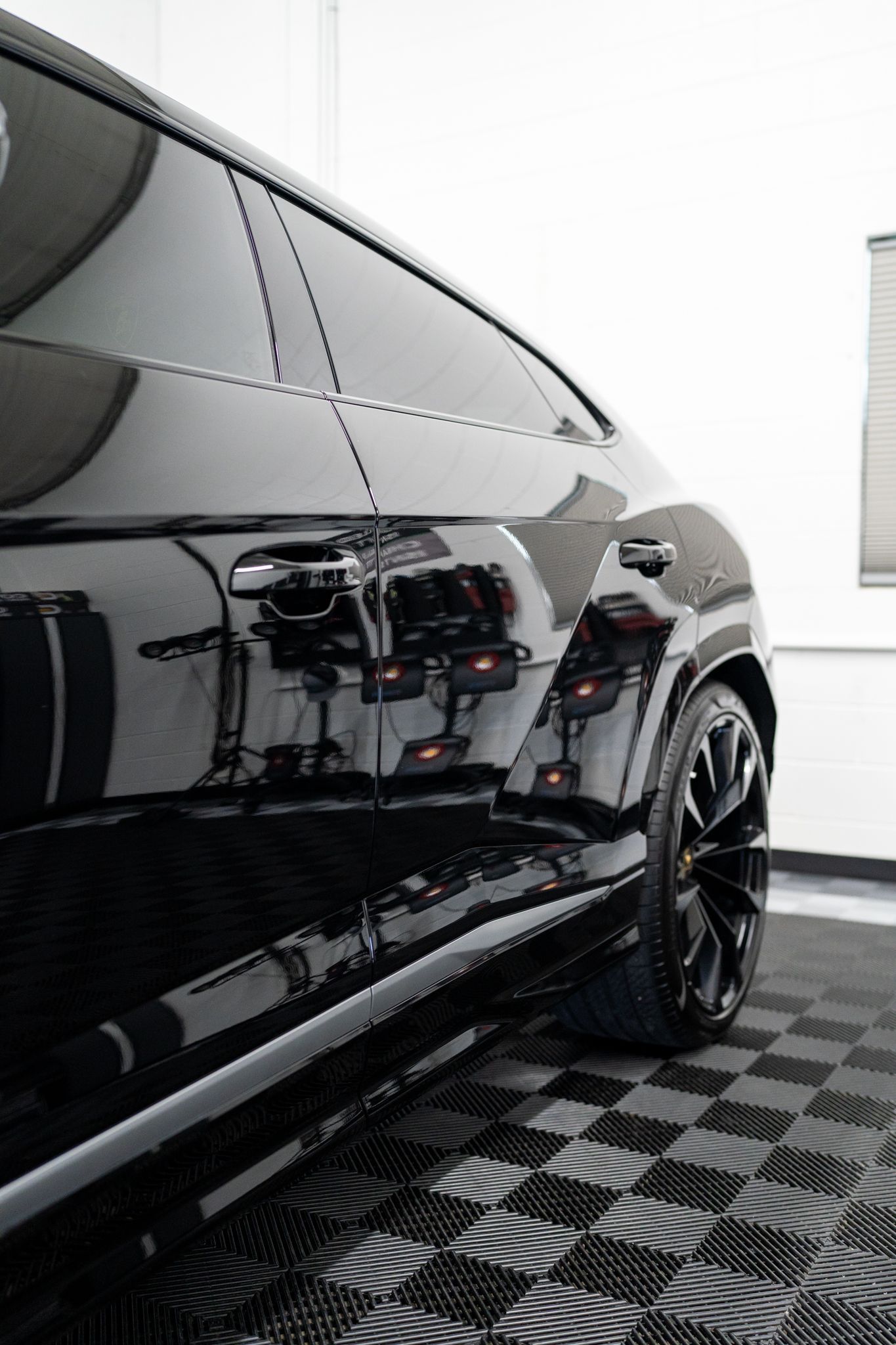
One of the most immediate results of skipping a coating is how easily the paint picks up scratches and swirl marks. When you wash a car without a coating, dirt and grit cling to the surface, and the wrong towel or a dirty mitt drags those particles across the paint, creating fine swirls that scatter light and make the finish look dull well before its time. Bare automotive paint is relatively soft, and a quality ceramic coating adds a much harder surface layer that improves resistance to these routine scratches.
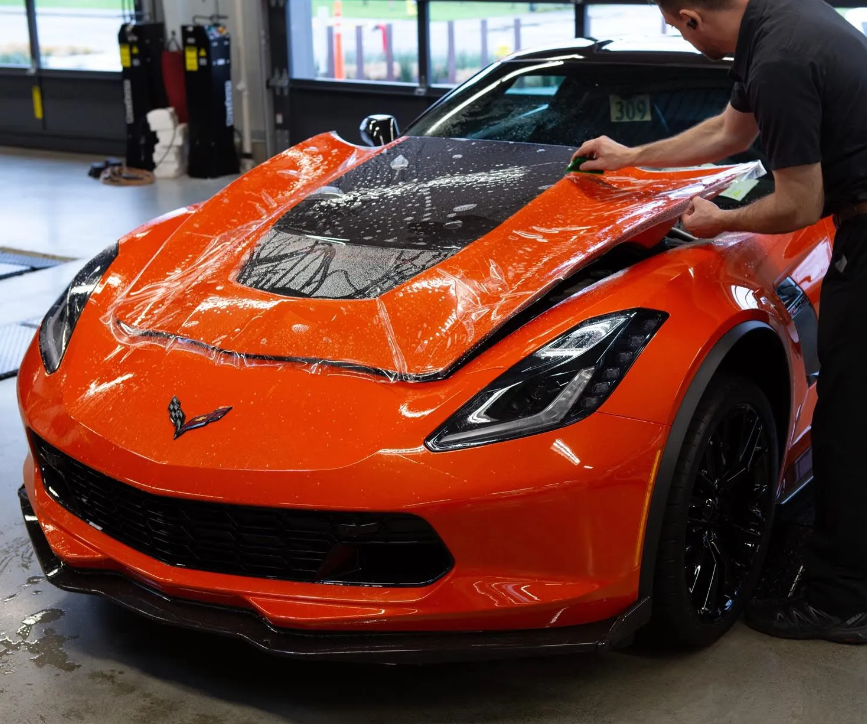
It helps to be clear about what a coating can and cannot do. A ceramic coating resists fine scratches and swirls and makes the surface easier to clean, but it does not absorb rock chips or shield against road debris. For that physical impact protection, paint protection film (PPF) is the barrier built to take the hit. Many drivers pair the two, using PPF on the areas most exposed to debris and a ceramic coating for gloss, chemical resistance, and easier upkeep. A coating will not make your car scratchproof, but it raises resistance to minor abrasions while making regular washing safer and easier.
Maintenance Challenges
Maintaining an uncoated vehicle is a constant job. Without a protective barrier, dirt and contaminants cling aggressively, so it needs more frequent, thorough washing to stay presentable. Bare paint also lacks a water repelling layer, so water beads settle and leave mineral spots that etch tiny imperfections and dull the gloss. Uncoated surfaces are also more prone to swirl marks, since dirt sits directly on the paint and careless wiping drags it across the finish. This is why detailers recommend a quality wash mitt and the two bucket method for uncoated cars. Traditional wax helps, but it wears off within a few weeks, so the cycle repeats and adds up in time and product. A consistent, careful routine with gentle soaps, soft microfiber, and prompt drying is essential to limit premature wear, along with periodic inspections to catch oxidation early.
Financial Implications of Not Coating
The upfront price of car ceramic coating can look steep, but going without often costs more over time. Unprotected paint fades, oxidizes, and corrodes, which means more money spent just to keep the car looking good. Detailing to remove contaminants recurs several times a year, paint correction becomes necessary as swirls and oxidation build, and severe neglect can eventually lead to repainting, by far the most expensive outcome. Stacked over a vehicle's life, these costs make early coating a smart long term investment rather than a luxury.
If you are unsure which option suits your vehicle, the team at The Detail Collective can recommend the right professional coating for how you drive. To learn more, call us at (231) 838-0398 or schedule your consultation today online.
FAQs
How often should a car without ceramic coating be maintained compared to one with it?
A car without a coating generally needs washing and waxing every few weeks to fend off dirt, UV, and contaminants. A coated vehicle stretches its upkeep further thanks to its hydrophobic surface, so you wash less often and cleaning is easier, saving time while preserving the shine.
What types of damage occur more frequently on vehicles without ceramic coating?
Uncoated vehicles are more prone to oxidation, swirl marks, and water spots because they lack a protective barrier. Dirt and contaminants cling more readily to bare paint, speeding surface wear and making scratches, etching from bird droppings, and general dulling more likely over time.
Are there specific climates or conditions where skipping ceramic coating is especially risky?
Yes. It is riskiest in demanding conditions like intense UV, salty air, and heavy road salt or acid rain. In Michigan, strong summer sun and heavily salted winter roads are hard on unprotected paint, so a coating makes a clear difference from one season to the next.
Can regular waxing replace the benefits of ceramic coating?
Not fully. Wax gives a nice but short lived layer that needs reapplication every few weeks. A ceramic coating bonds to the paint and lasts for years, with stronger resistance to UV, chemicals, and fine scratches. Wax suits those who enjoy the ritual, but it is not a substitute for that lasting defense.
How does the absence of ceramic coating affect a car's paint durability over time?
Without a coating, durability drops much like skin left unprotected in strong sun. UV, acid rain, bird droppings, and dirt wear at the finish and speed up fading, oxidation, and fine scratches. A ceramic coating slows that considerably, helping the paint hold its gloss and condition for years longer.